The shop ·
Classic Art Prints With a Story: Welcome to The Dark Academia Store
Paintings from the 1600s to the early 1900s, each with a story, a poem, a myth or a mystery behind it. Here is what the shop sells and where the prints look best.
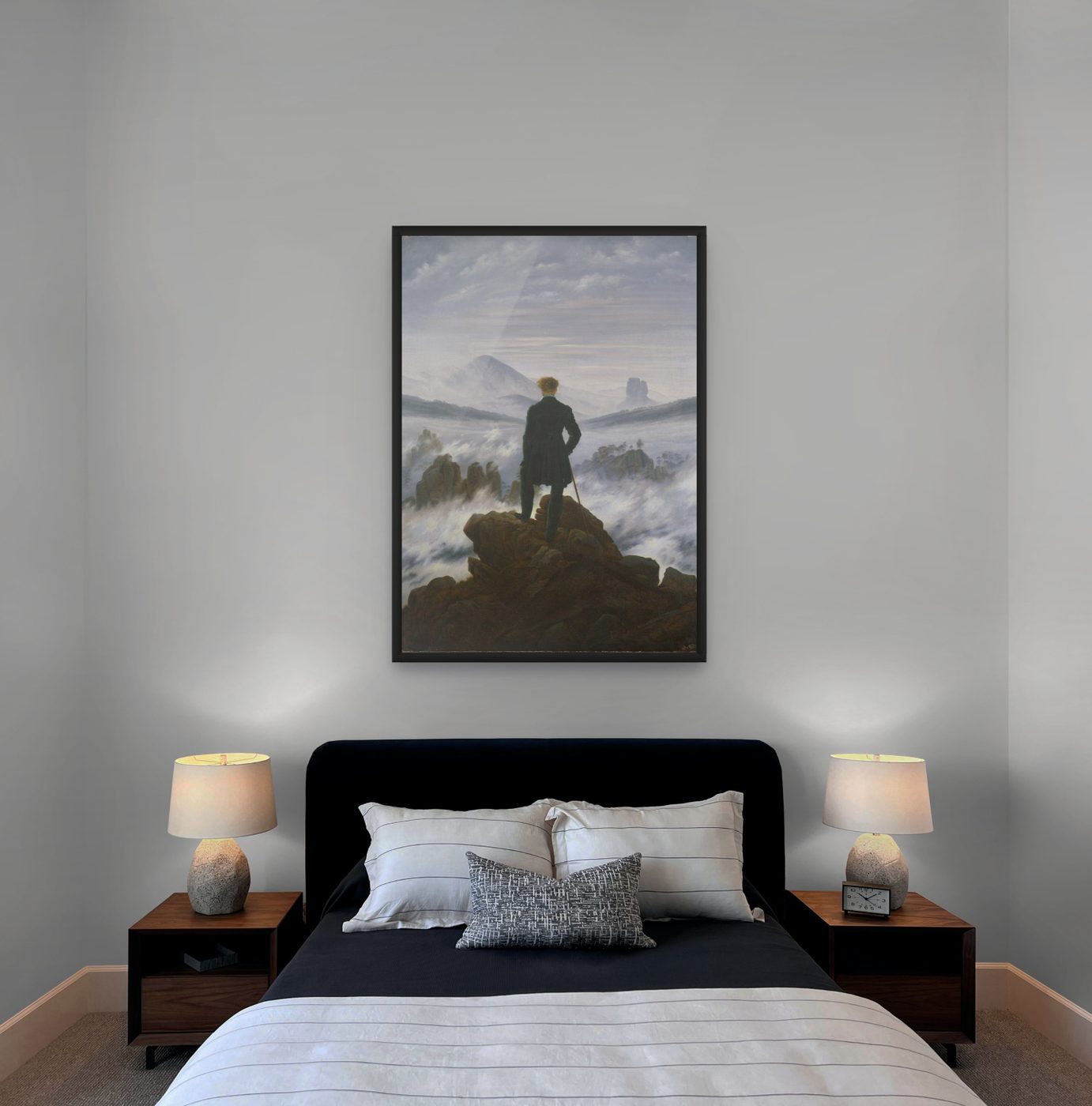
The Dark Academia Store sells classic art prints of paintings from the 1600s to the early 1900s. Every painting in the shop has a story, a poem, a myth or a mystery behind it. Our aim is simple: walls with a story.
Plenty of wall art looks pleasant and says nothing. These paintings start conversations. A friend stops by your sofa, points at the wall and asks, "Who is she?" Now you have a tale to tell.
What does The Dark Academia Store sell?
The shop sells fine art reproductions of original paintings. It is small and curated. A painting earns a place only when it carries a story worth telling.
The name comes from an aesthetic, not a school of painting. The art itself spans centuries and countries: Pre Raphaelite legend, dark romanticism, gothic memento mori, Greek myth, Ancient Rome, the Dutch Golden Age, magical realism, florals, libraries and portraits. Each print arrives with the tale behind the painting, the name of the painter and the details worth a closer look.
Pre Raphaelite art: poems you hang on the wall
Start with a curse, a mirror and a boat.
John William Waterhouse painted The Lady of Shalott in 1888, and the original hangs in Tate Britain in London. It shows the heroine of Tennyson's poem. She lived under a curse in a tower near Camelot and saw the world only through a mirror. One look at Sir Lancelot fulfilled the curse. She set off downriver in a boat and died before she reached Camelot. Look at the candles on the prow. Two of the three have already gone out.
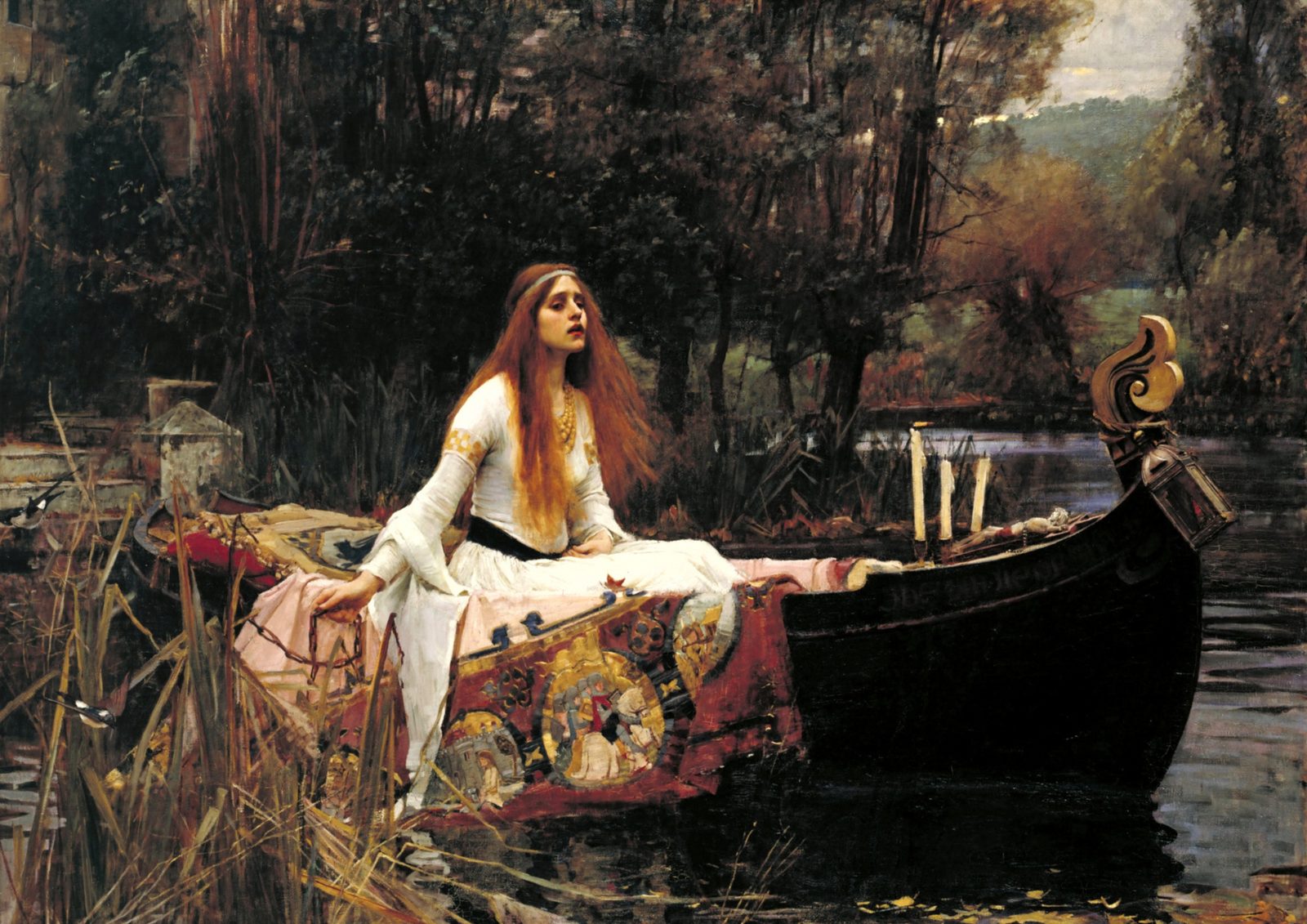
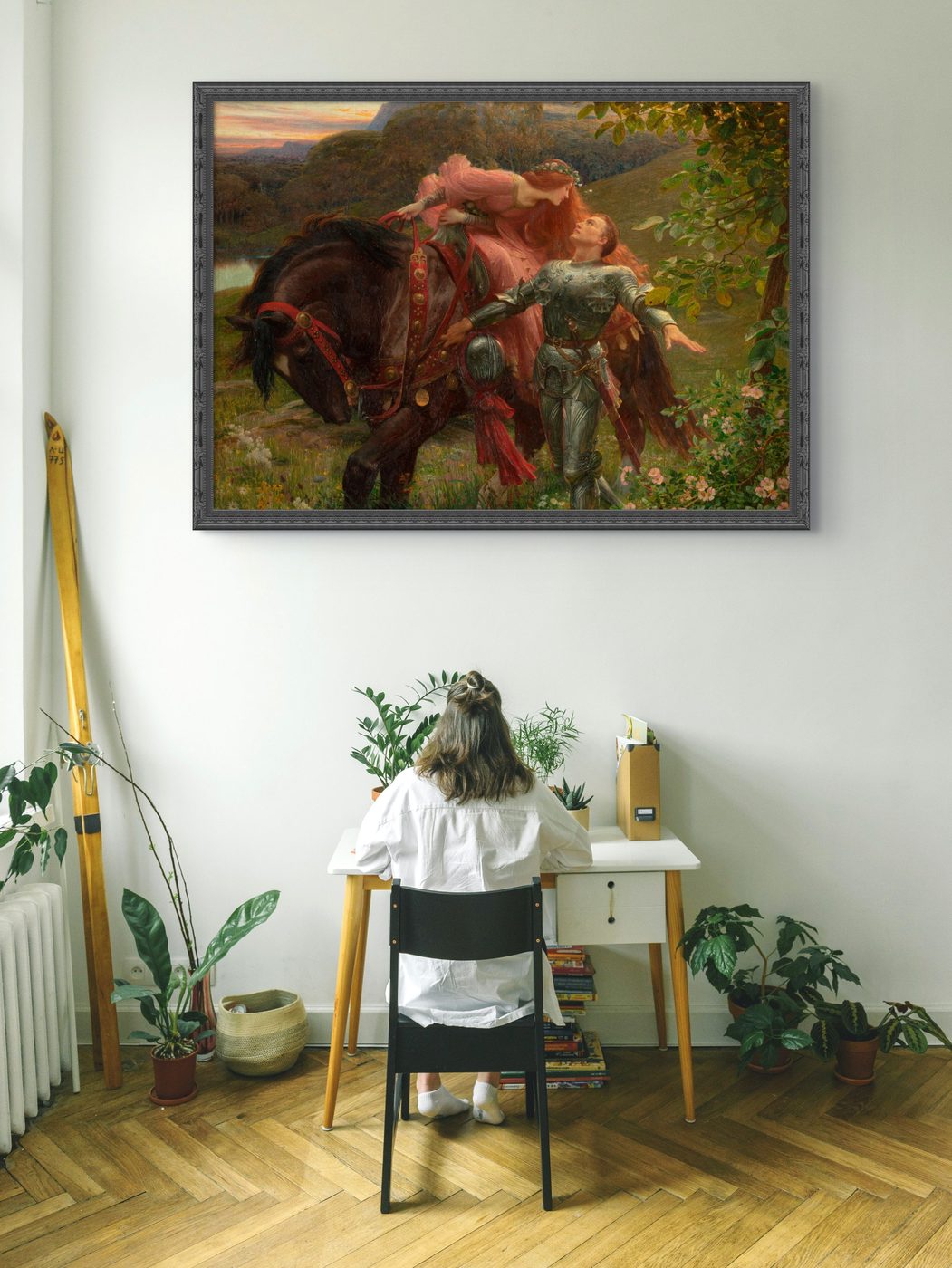
The Lady of Shalott is available as a fine art print at The Dark Academia Store. So are La Belle Dame sans Merci by Frank Dicksee and both Joan of Arc paintings, by Millais and by Rossetti.
Dark romanticism: dreams, fog and fear
The Romantics painted what people feel alone at night.
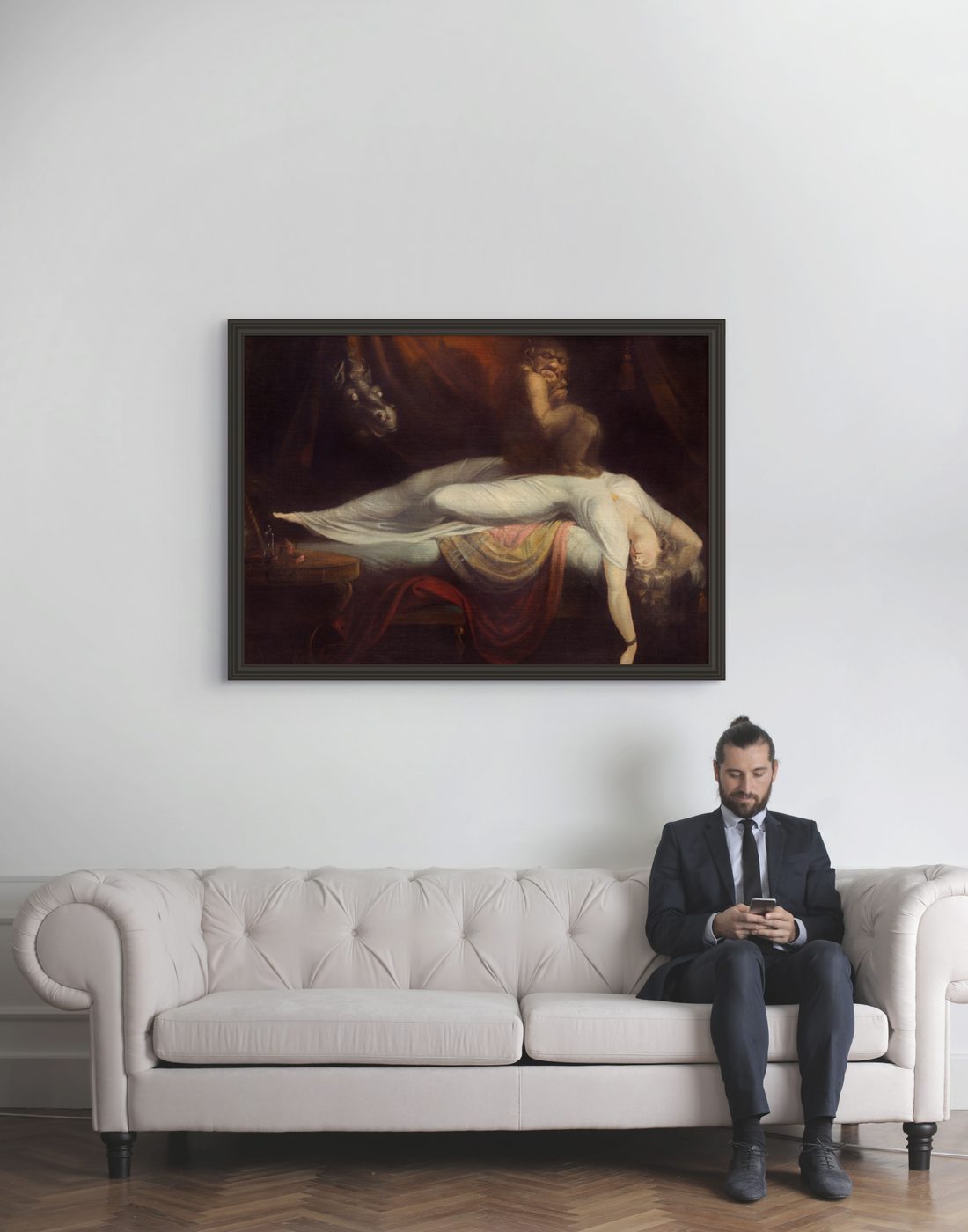
Henry Fuseli's The Nightmare, from 1781, shows a woman in deep sleep with a demon crouched on her chest while a horse looks on. When Horace Walpole saw it at the Royal Academy in 1782, he summed it up in a single word: shocking. The original hangs in the Detroit Institute of Arts.
Caspar David Friedrich's Wanderer above the Sea of Fog, painted around 1818, hangs in the Hamburger Kunsthalle. A man stands on a rock with his back to you, his hair caught in the wind, and gazes over a landscape buried in fog. You never see his face. Everyone who looks at him fills in the story.
The Nightmare and Wanderer above the Sea of Fog are both available as fine art prints at The Dark Academia Store.
What does memento mori mean?
A skull on the wall is a reminder to live well.
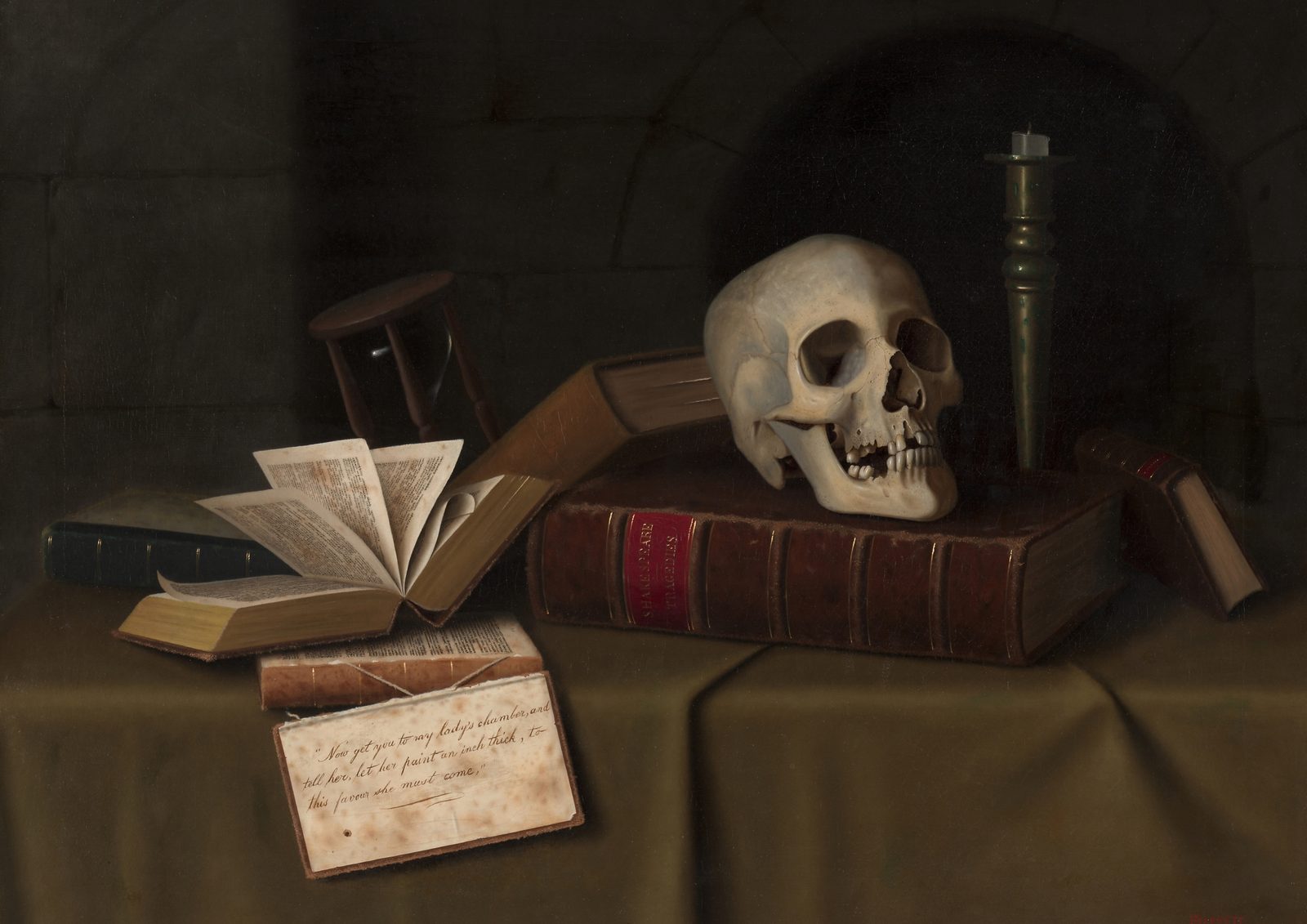
Memento mori is Latin for "remember you will die." In William Michael Harnett's Memento Mori, To This Favour (1879), a skull, a snuffed candle and a spent hourglass sit on a table of tattered books. Inside one cover, Harnett painted a line from the graveyard scene in Hamlet. The original belongs to the Cleveland Museum of Art.
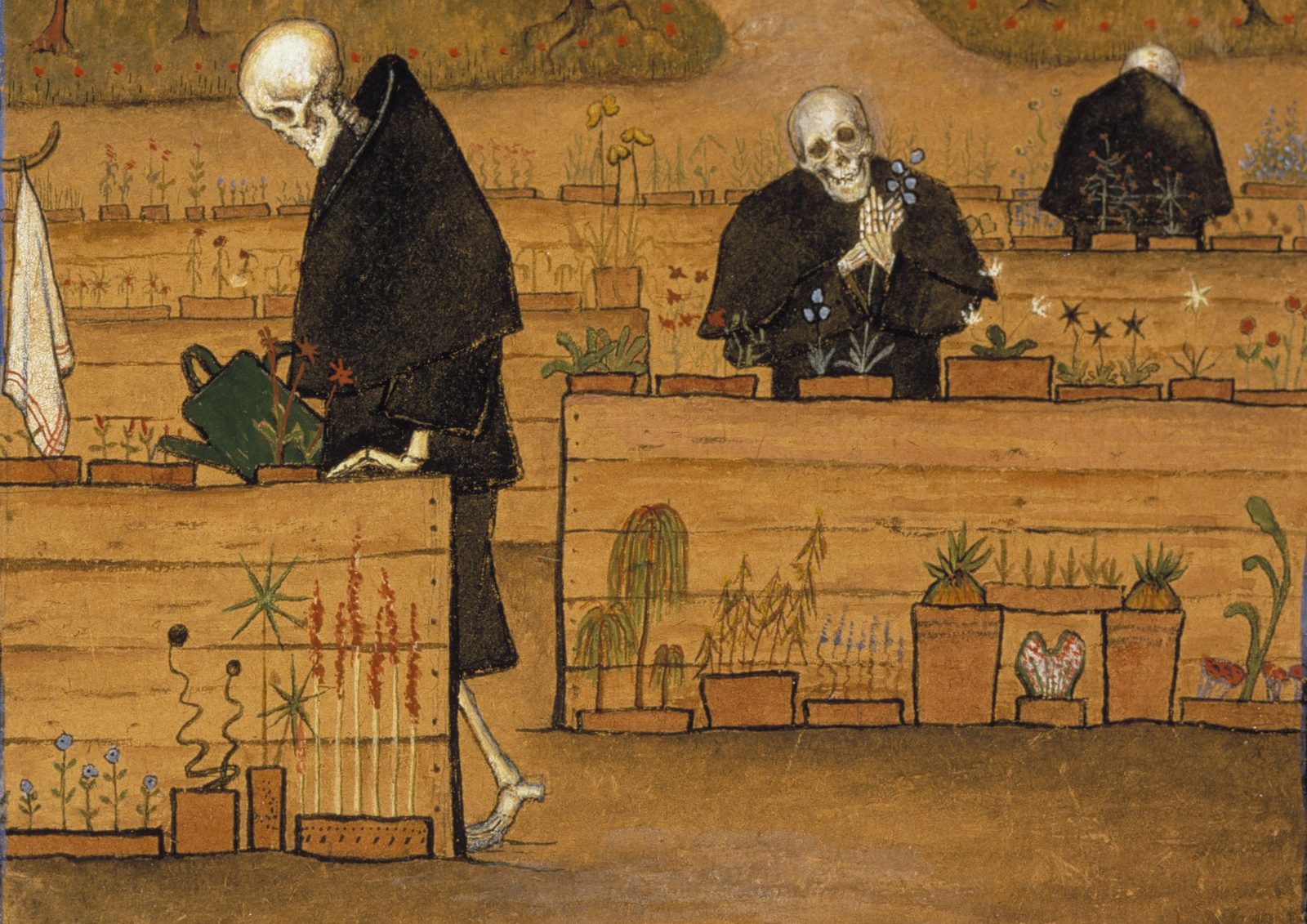
Death is gentler in Hugo Simberg's The Garden of Death (1896), held by the Ateneum in Helsinki. Death tends potted plants, and Simberg believed the garden was a place where souls wait before heaven. The plants are the souls. The original is tiny, about 16 by 17.5 cm, in watercolour and gouache.
Greek myth, Ancient Rome and the Dutch Golden Age
Some of the best stories are 2,000 years old.
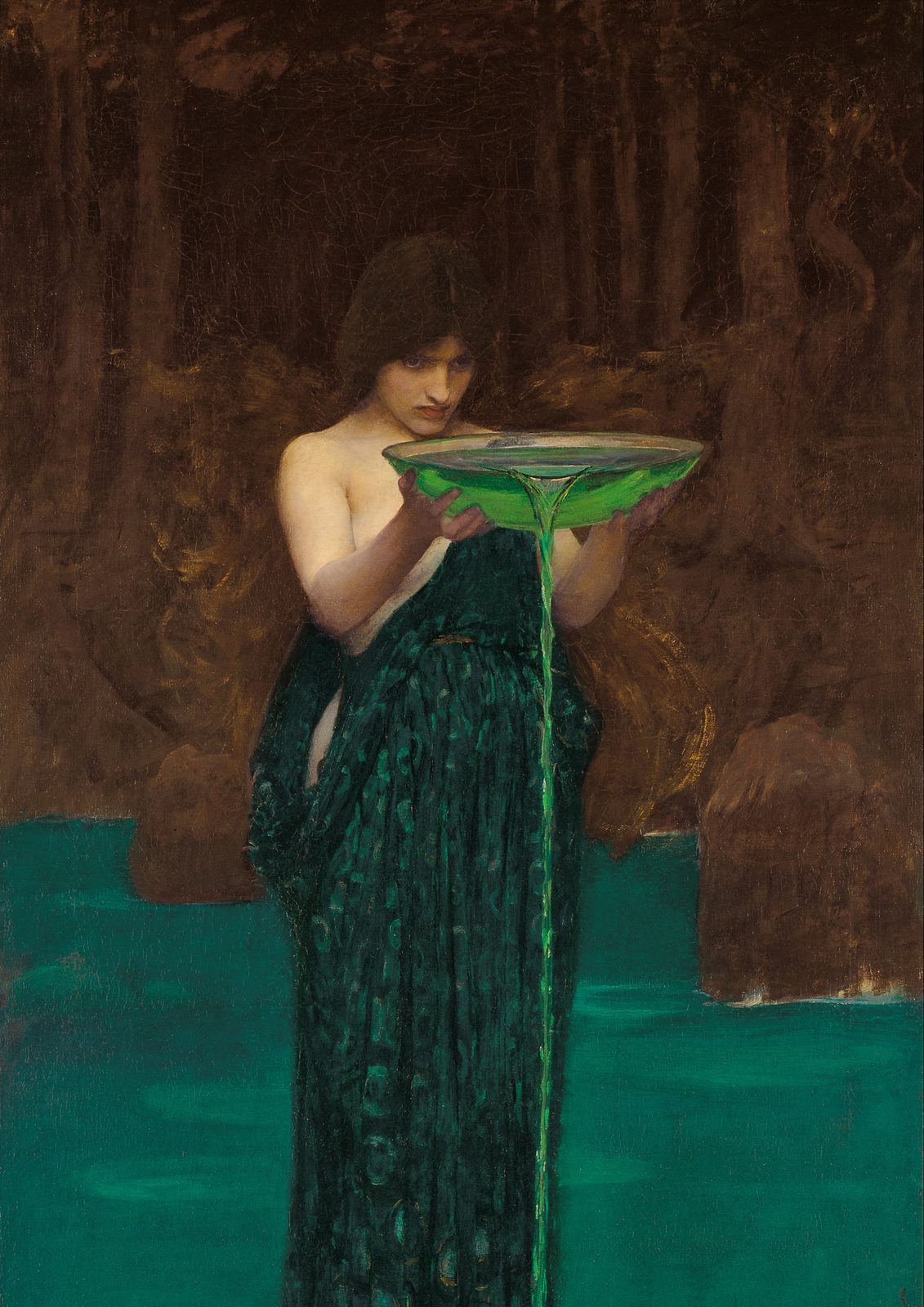
Waterhouse's Circe Invidiosa (1892) shows the sorceress pouring poison into the sea to turn her rival Scylla into a monster. The shop also holds Roman gladiator scenes, Pollice Verso and Gladiators after the Combat, plus Jason and Medea and Souls on the Banks of the Acheron.
Carel Fabritius painted The Goldfinch in 1654. The same year, a gunpowder store exploded in Delft and killed him at the age of 32. The painting has hung in the Mauritshuis in The Hague since 1896. A small bird on a chain outlived the man who painted it.

Which rooms suit classic art prints?
Every room has a wall waiting for a story.
- Living room: go large. Wanderer above the Sea of Fog at A1 or 24x36 inches gives a sofa wall drama.
- Bedroom: The Lady of Shalott in an oak frame above the bed.
- Kitchen: a Dutch still life of flowers, such as de Heem's flowers in a glass vase, or The Goldfinch, at A4 or A3.
- Bathroom: a small framed print, such as The Garden of Death at A4.
- Home office: Harnett's memento mori above the desk, a quiet nudge to finish the work.
- Student dorm or flat: unframed prints roll up and move with you. A3 or 12x16 inches suits most rented walls.
- Hallway: a row of three portraits in matching black frames.
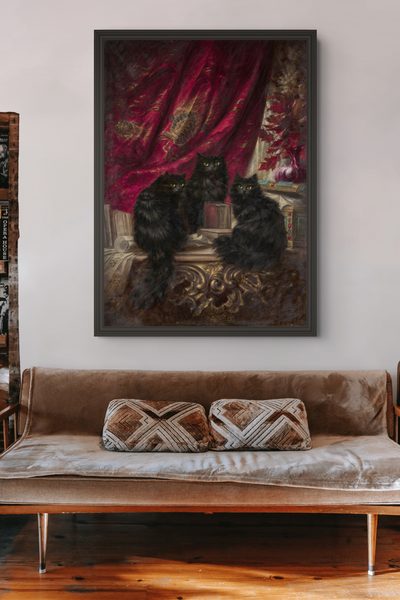
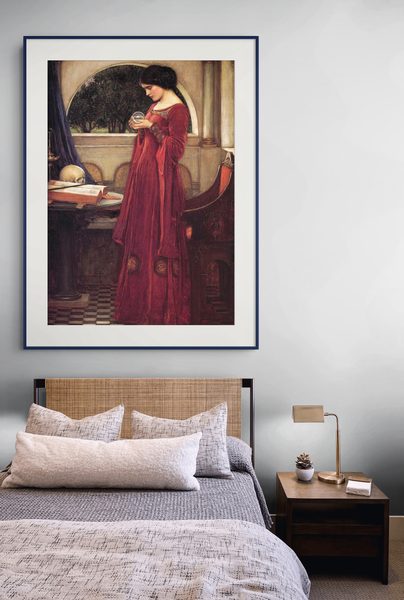

See more rooms on the On the Wall page.
How are the prints made?
Each print starts from a high-resolution photograph of the original painting, usually from the museum holding it. Every file is checked at full size before it goes on sale. Real art, not AI: nothing is AI generated or AI modified. Where a photograph fails to hold its detail at the largest sizes, the painting stops at A2 or A3 rather than printing soft.
Prints are made locally in the UK, Europe, the US, Canada and Australia on 200gsm matte paper. Sizes run from A5 to A1, plus 12x16, 18x24 and 24x36 inches. Choose a black, white or oak frame, or unframed. Shipping is free and tracked, with no customs fees. Read more on printing and delivery, or see the print size guide.
Frequently asked questions
Is dark academia a style of art?
No. Dark academia is an aesthetic. The paintings in the shop come from many styles, including Pre Raphaelite, Romantic, Symbolist and Dutch Golden Age art.
Are these original paintings?
No. They are fine art reproductions of original paintings from the 1600s to the early 1900s, printed from high-resolution photographs of the originals.
What sizes do the prints come in?
A5 to A1, plus 12x16, 18x24 and 24x36 inches. A few paintings stop at A2 or A3 to protect detail.
Where do I buy a print?
Orders run through The Dark Academia Store on Etsy. New paintings appear first on Instagram and Facebook.
Old paintings outlive trends because people never tire of a good story. Find yours at The Dark Academia Store on Etsy, and give your walls something to talk about.